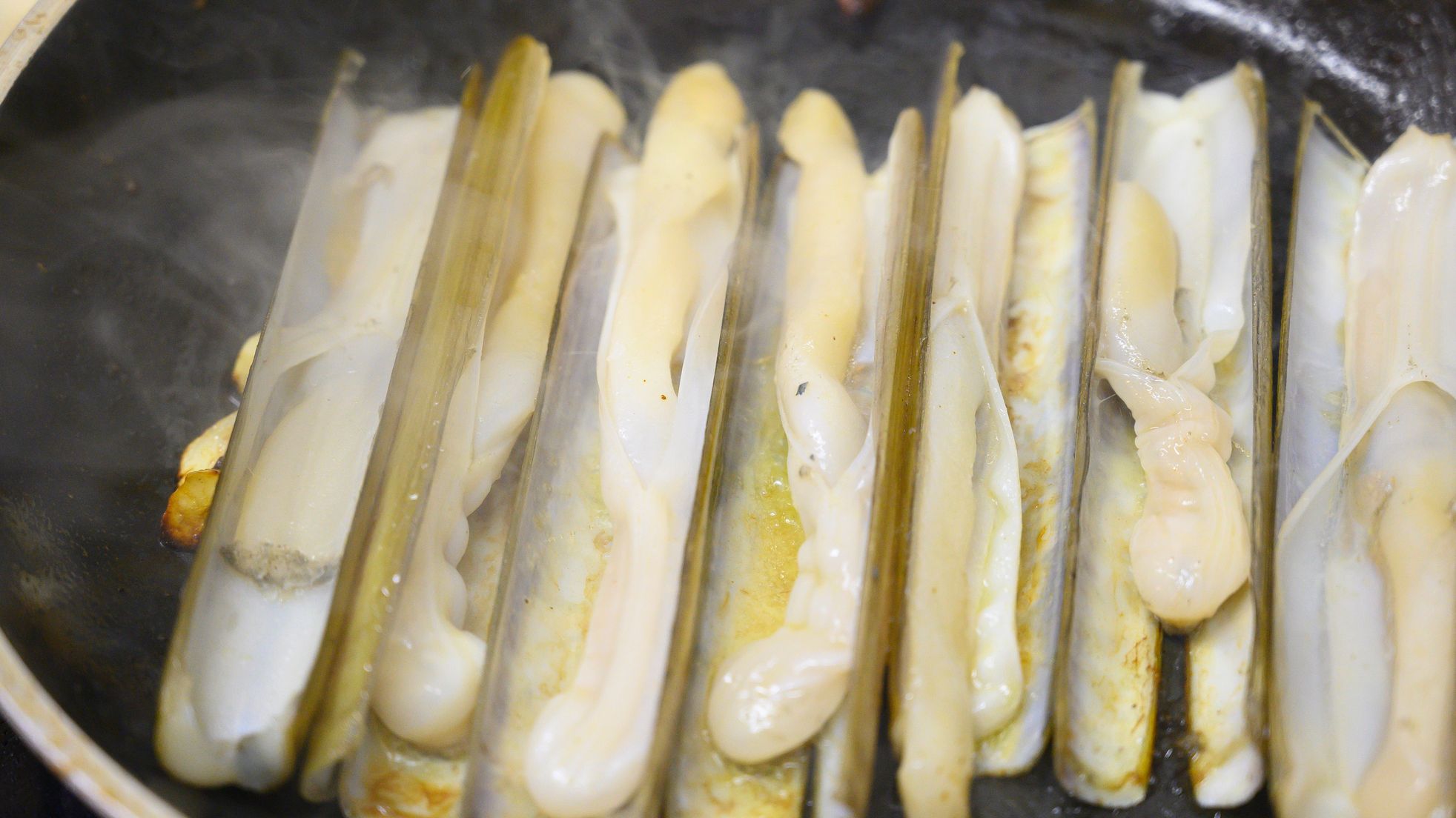
Nine people became ill in Tarragona after eating razor clams contaminated with norovirus at a restaurant, a case that has led the European Union to issue a health alert. The affected batches have been withdrawn from the market, according to RTVE.es.
The illness is a highly contagious form of acute gastroenteritis, though the effects are not severe. The events took place in September, but Spain did not report the case until 28 October, when it notified the EU's Rapid Alert System for Food and Feed (RASFF) and identified the contaminated lots so they could be removed.
Catalonia's regional health department has confirmed the products are no longer on sale. According to reporting by RNE Catalunya cited by RTVE.es, the clams came from Andalusia and Portugal and were processed in the Terres de l'Ebre area.
Why it matters
Norovirus spreads easily and is a common cause of foodborne illness, so a contaminated batch reaching a restaurant kitchen is a routine but persistent public health problem. In Catalonia alone, around 30 outbreaks of the virus are reported each year, RTVE.es notes.
What makes this episode notable is the delay between the illnesses and the official notification. The cases occurred in September, yet the RASFF alert was not filed until late October. The gap between the two dates is not explained in the reporting, but it illustrates how traceability works in practice: once the contaminated lots were identified, the alert allowed them to be pulled and other member states to be informed.
The case also drew attention from multiple Spanish outlets, with El Mundo describing the European alert as serious and La Razón reporting it as a food safety warning. The coverage reflects how quickly a local outbreak can become a Europe-wide matter once the RASFF system is involved.
What is known about the clams and the illness
The razor clams were sourced from two places, Andalusia and Portugal, and then processed in the Terres de l'Ebre, in southern Catalonia, according to RNE Catalunya's reporting as cited by RTVE.es. That combination of origin and processing location is the kind of detail that matters for tracing a contaminated batch back through the supply chain.
Norovirus illness typically lasts one to two days. In exceptional cases it can cause complications from fluid loss, particularly in babies, older people and those with weakened immune systems. For most people, though, the infection passes without serious consequences.
The virus is not new to Spain's public health authorities. This year it has also been responsible for several cruise ships in the country being placed under confinement, RTVE.es reports — a reminder that norovirus spreads readily in closed settings where people share food and facilities.
A recurring problem with a familiar response
The pattern in this case is a familiar one for food safety agencies: an outbreak is detected, the source is traced, the contaminated lots are identified, and a notification goes out through the RASFF system so that the product can be removed and other countries can act if needed.
Spain's notification on 28 October did exactly that, and Catalonia's health department has since confirmed the clams are off the market. The reporting does not specify how widely the affected batches were distributed beyond the restaurant where the nine people fell ill, nor does it detail the condition of those affected.
What the record does show is that norovirus outbreaks linked to shellfish are a recurring feature of the Spanish food safety landscape, with dozens reported in Catalonia each year. The response here followed the established route: identification of the lots, withdrawal from sale, and an EU-wide alert.
Watch for any update from Catalan or Spanish health authorities on the source of the contamination and whether the affected batches reached outlets beyond the restaurant in Tarragona.